November 11, 2026
Bar NYC Guide to Chic Lounges and Vibrant Scenes
By @eduardociqw779
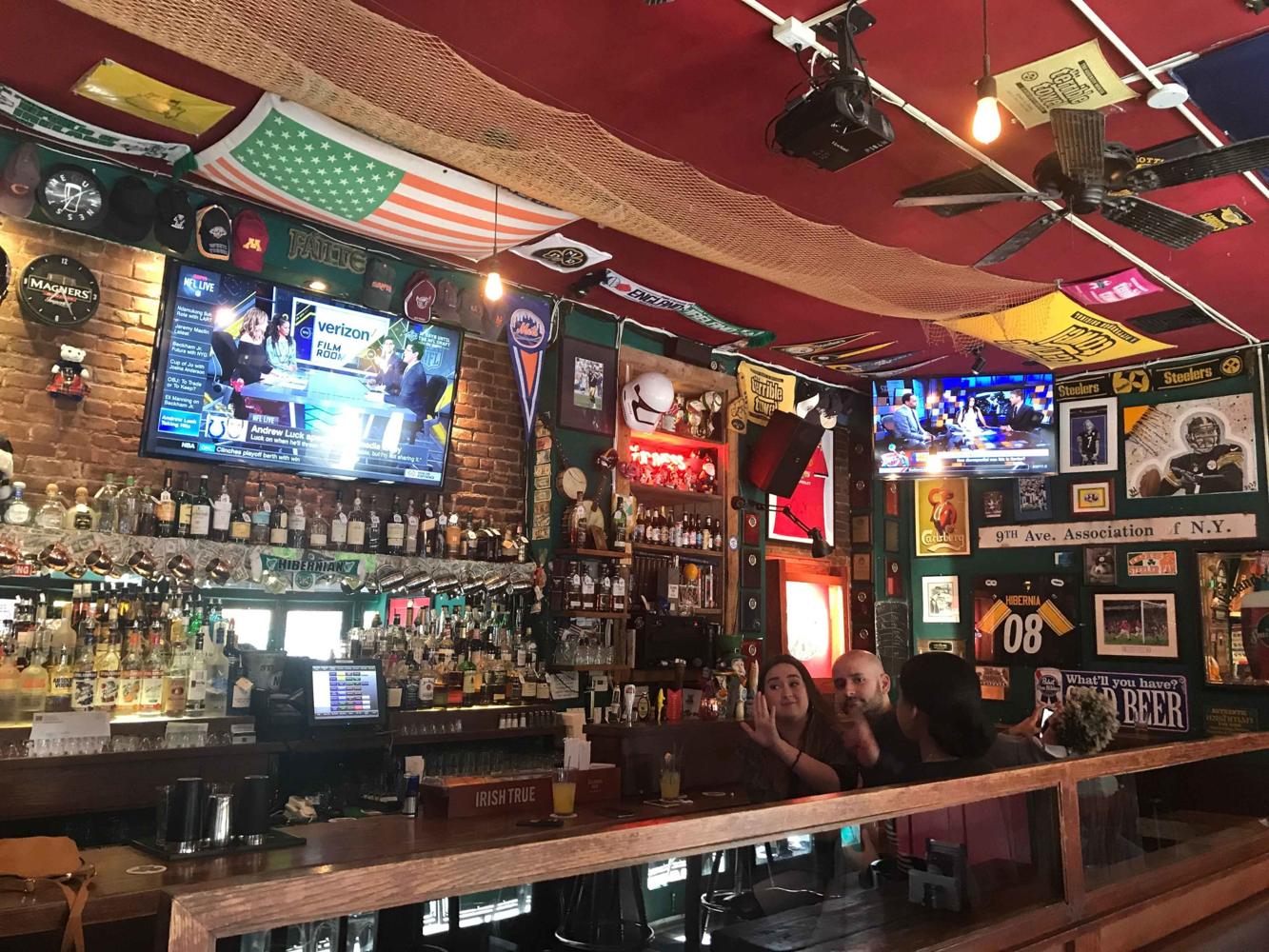
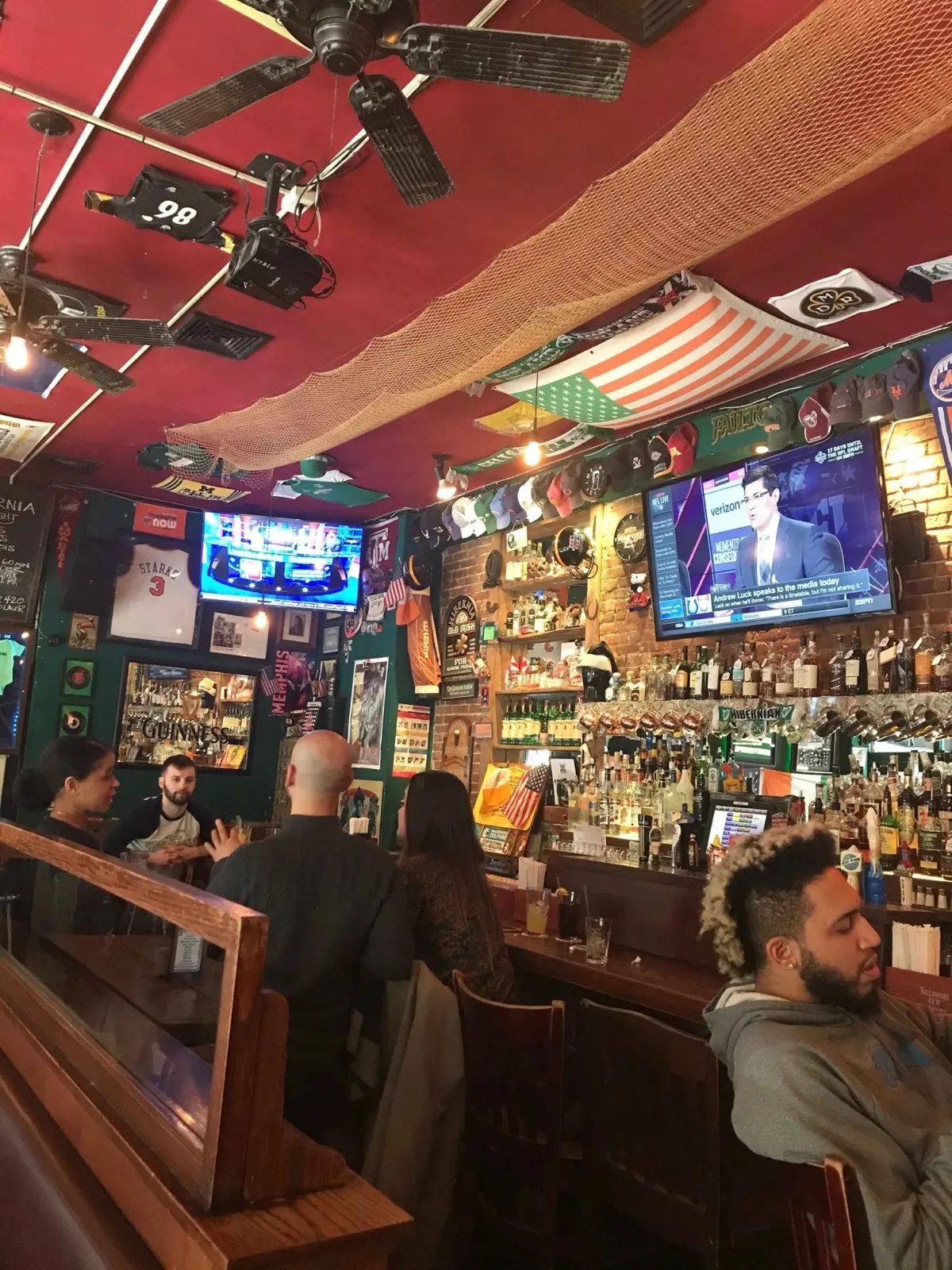
New York has never had just one nightlife identity. It has always been several cities layered on top of each other, each one pouring a different drink. There is the polished city of hotel lounges, low light, pressed collars, and martinis that arrive as cold as steel. There is the kinetic city of downtown rooms where the music rises by degrees, conversation gets brighter, and nobody seems ready to leave before one in the morning. Then there is the neighborhood city, the one regulars guard carefully, where the bartender remembers your order and the crowd changes very little from week to week.
That range is what makes any Bar NYC conversation interesting. Ask five locals where to go for a chic night out and you will get five different maps. One person will send you uptown for old-world glamour, another to the Lower East Side for a candlelit cocktail den, another to Brooklyn for a room that feels more design studio than tavern. The useful question is not simply where to drink. It is what kind of night you want to have, how much energy you want in the room, how far you are willing to travel, and whether you care more about the drink, the crowd, or the setting.
A strong night in New York usually comes down to sequencing. Start too loud and you may not have room to build. Start too far from your next stop and you can lose forty minutes in transit. Pick a place with a great reputation but the wrong mood and the whole evening can flatten. The city rewards people who choose with some intention.
What “chic” means in New York, and what it does not
In many cities, “chic” can mean expensive furniture and a reservation book. In New York, that definition is too thin. Chic here often has less to do with obvious luxury and more to do with confidence. A room can be tiny, dim, and almost severe, yet feel more sophisticated than a sprawling rooftop with bottle service menus and velvet ropes. Likewise, a deeply elegant bar can still feel relaxed if the staff know how to keep the tone polished without turning stiff.
The best lounges understand proportion. Music matters, but it should not smother the room at 7:30 p.m. Lighting matters, but guests should still be able to read a menu without using a phone flashlight. Seating matters more than people admit. Banquettes encourage lingering, bar stools invite interaction, and low cocktail tables can be charming for forty minutes and uncomfortable for two hours. I have seen people call a place overrated when the real problem was that they booked a late table in a room designed for a first drink, not a long stay.
There is also a New York distinction between stylish and performative. Stylish places have clear taste and a point of view. Performative places often rely on lines outside, aggressive door policies, and interiors designed mainly for photos. Those spots can still be fun, especially with the right group and low expectations, but they are rarely where the city drinks best.
The neighborhoods that shape the night
If you are thinking about Bar NYC options in practical terms, neighborhood matters as much as menu. Manhattan still dominates the classic lounge conversation, but the style of the evening changes dramatically from one district to another.
Midtown remains the capital of polished hotel bars and expense-account confidence. This is where you go when you want a room that knows how to handle a martini, when your group is dressed up, or when you need a reliable setting before theater, after a business dinner, or at the start of a date where nobody wants surprises. Some of the city’s most handsome bars sit in hotels because hotels can afford what standalone operators often cannot, namely high ceilings, deep upholstery, and a certain architectural patience. The trade-off is that these places can feel transient. You may get beauty and comfort, but not always local energy.
The West Village offers a different kind of refinement. It is intimate, walkable, and unusually good at bars that feel both special and lived-in. Many of the city’s enduring cocktail institutions thrive here because the neighborhood allows for elegance without excess. If you want your night to move naturally from aperitif to dinner to a final drink without cabs, this is one of the safest bets in the city. Streets are compact, the crowd is mixed in age and style, and the best rooms often feel busy rather than chaotic.
The Lower East Side and East Village lean more restless and inventive. This is where New York’s cocktail culture sharpened itself over the past couple of decades, and you can still feel that spirit. Drinks are often serious, sometimes very serious, but the atmosphere is usually less ceremonious than uptown. You might find world-class technique in a room with no sign out front and music that edges louder as the evening goes on. For people who care about what is in the glass, these neighborhoods still deliver.
SoHo and Nolita tend to attract a style-conscious crowd, which can be a compliment or a warning depending on your mood. At their best, these areas give you beautifully designed bars with excellent wine lists, modern cocktails, and enough scene to make the night feel buoyant. At their worst, they turn into reservation puzzles filled with people more committed to being seen than staying present.
Brooklyn deserves a place in any honest guide. Williamsburg, Greenpoint, and parts of Fort Greene and Cobble Hill have developed their own refined bar culture, often with more space and a slightly less hurried atmosphere than Manhattan. Drinks can be just as strong, and sometimes stronger, while the room feels easier to inhabit. If Manhattan can occasionally make you feel like you are competing with the city, Brooklyn often lets you settle in.
The rooms that still set the standard
There are certain names that recur for good reason. Bemelmans Bar remains one of the few places where old New York glamour does not feel like costume. It is expensive, yes, and can be difficult at peak times, but the murals, live music, and quiet confidence of the room justify the reputation. You go there not because it is trendy, but because it still understands ceremony. A martini there feels like an event.
Dante, in its current form, has done something difficult, which is to preserve broad appeal while staying competent. It attracts tourists, industry people, neighborhood regulars, and date-night drinkers in almost equal measure. The appeal is not mysterious. The drinks are balanced, the aperitivo mood is appealing, and the room carries enough history to feel grounded. If someone visiting from out of town asks for one place that captures polished downtown drinking without becoming too formal, Dante is usually a defensible answer.
Attaboy is almost the opposite kind of classic. It is intimate, no-menu in spirit, and best when you arrive ready to talk through what you like. The room is small enough that a single loud group can alter the atmosphere, which is worth noting. But on a good night, it reminds you that hospitality can be both precise and personal. This is not a place for speed. It is a place for trust.
Death & Co has influenced cocktail bars far beyond New York, and for that reason some locals resist it. Yet influence does not erase quality. The original East Village space still matters because it helped define a style of modern American cocktail service that many places now imitate. The room is dark, the menu is thoughtful, and the tone asks for attention. It is not the right recommendation for someone who wants spontaneous, easygoing fun. It is right for someone who wants a drink made by people who care about structure and flavor.
Employees Only has lasted because it delivers on both sides of the equation. It can satisfy someone who wants a serious cocktail and someone who wants the room to get lively by late evening. That combination is rarer than it sounds. Plenty of bars do one well and the other badly. Employees Only understands the arc of a night.
These places are not the whole city, and nobody should treat them as a mandatory checklist. But they illustrate the range of what Bar NYC can mean, from uptown elegance to downtown cocktail focus to rooms that pivot from lounge to party without losing coherence.
How to choose the right bar for the right night
People often overrate fame and underrate fit. The most celebrated bar in the city can still be a poor choice if your group wants a different rhythm. A first date generally benefits from moderate music, a menu that does not require a seminar, and staff who know how to create ease without hovering. A reunion with old friends can tolerate noise and a little waiting if the room has energy. Business drinks ask for predictability, clean service, and seating that lets everyone hear each other.
Timing changes everything. A bar that feels chic and controlled at 6:30 p.m. Can feel jammed and less charming by 10:00. Hotel lounges often hold their shape better across the evening because they are built for volume and comfort. Smaller downtown cocktail bars may peak earlier or become difficult without a wait. Rooftops are especially sensitive to timing, weather, and season. On a warm Thursday in spring, a rooftop at 5:30 can feel like a reward. The same place at 8:30 on a Saturday may feel like an airport gate with better shoes.
There is also the matter of appetite. Some bars operate as near-restaurants, with real kitchens and food worth planning around. Others offer snacks that are perfectly fine but not enough if nobody has eaten. This sounds basic, but hunger ruins more expensive nights than bad liquor does. If the evening starts after work and dinner is uncertain, choose a bar with a serious food program or put a reservation nearby.
Dress, door policies, and the quiet rules nobody writes down
New York is less rigid about dress than visitors often fear, but that does not mean anything goes. Context matters. A beautifully cut dark jacket or a simple, well-fitted outfit still performs better in a lounge than something overly casual, especially in Midtown or at a high-end hotel bar. You do not need formalwear to look intentional. You do need to avoid looking accidental.
Door policies are often less about strict codes and more about crowd management. If a room is small and in demand, the host is shaping mood as much as capacity. Groups of six or eight can be harder to place than pairs. Very large celebrations work better in places built for them rather than in intimate bars where they change the room’s chemistry. I have watched a party of ten spend half an hour negotiating with a host at a place that was never going to absorb them comfortably. That is not exclusivity for its own sake. That is architecture winning the argument.
Reservations help, but they do not guarantee perfection. A table may be time-limited. A reservation at the bar can still mean standing room first. Some of the city’s best no-reservations spots reward patience, while others simply punish it. If you have one precious night in town, certainty has value. If you live here, improvisation can be part of the fun.
The cocktail culture question
There is a tendency to split bars into “scene places” and “serious places,” as if they cannot overlap. New York is better than that. Some of the Bar NYC city’s strongest rooms offer both social charge and technical skill. Still, it helps to know your own tolerance for menu complexity.
If you are the kind of drinker who enjoys asking about amaro, vermouth styles, split bases, or house tinctures, New York has long rewarded you. Bartenders in top cocktail bars are often generous with knowledge when the room allows for it. If you are not that person, you do not need to pretend. A properly made gin martini or well-built negroni in the right room can be more satisfying than the most inventive clarified drink served in the wrong mood.
The classics remain classics for a reason. Martinis, Manhattans, negronis, old fashioneds, and spritzes dominate many chic New York rooms because they fit the setting. They hold shape under pressure, pair well with conversation, and signal confidence. The city’s bartenders can certainly do more elaborate work, and many do it brilliantly, but a strong lounge often reveals itself through restraint. If a place cannot make the fundamentals sing, the smoke, foam, and glassware are just theater.
When the scene is the point
There are nights when you want the bar itself to be the entertainment. New York understands that instinct better than most cities. A vibrant scene is not a failure of sophistication. It can be part of the pleasure, provided the room knows how to manage momentum.
The best social bars create movement without chaos. People lean in and out of conversations. The soundtrack rises but leaves pockets of audibility. Staff move briskly but do not communicate stress. You feel the possibility of the night extending somewhere else. That sense of trajectory is difficult to manufacture, and easy to lose if operators chase volume too aggressively.
This is where some rooftop bars succeed and many do not. The successful ones treat the view as an asset, not a substitute for hospitality. The weak ones rely on skyline photos to distract from slow service, mediocre drinks, and crowds that are too dense for comfort. If you want a rooftop, go early, keep your expectations specific, and decide in advance whether the view is worth paying a premium for every round.
Practical judgment that saves the evening
A few habits make a real difference in New York. First, build around geography. A glamorous plan that sends you from the Upper East Side to the Lower East Side to Brooklyn in one night is not glamorous by the second taxi. Keep your evening compact.
Second, decide whether your anchor is a bar, a dinner, or an event. If the bar is the main attraction, treat it seriously and time it well. If it is just one stop in a larger evening, choose somewhere resilient and easy.
Third, know your tolerance for waiting. Some people enjoy the anticipation of a coveted no-reservations room. Others start the night irritated and never recover. There is no virtue in pretending to like lines.
Fourth, order with the room in mind. If service is under pressure, a bartender may execute a stirred classic more elegantly and quickly than an overly customized off-menu request. On a quieter night, ask for guidance and see where the conversation goes.
Finally, do not overbook your own evening. The city tempts people into making four-stop itineraries. Most memorable nights need only two good decisions, a strong first room and an even better second one.
A few archetypes worth knowing
Some readers do better with categories than addresses, because categories travel better across changing openings and closings. New York’s nightlife shifts constantly, and a good guide needs to survive that churn.
The grand hotel bar is for polish, predictability, and visual ease. Think business drinks, dressed-up dates, and nights when comfort matters as much as discovery.
The downtown cocktail den is for drink quality, intimacy, and focused atmosphere. It suits pairs or very small groups and rewards people who care what is in the glass.
The neighborhood wine bar or modern lounge is for conversation and low-pressure charm. It works well when the evening might include food, another stop, or no fixed plan at all.
The high-energy social room is for groups, celebration, and nights when the crowd is part of the reason you Bar NYC came out. Here, you are buying mood as much as alcohol.
The rooftop is for timing, weather, and the occasional reminder that New York still knows how to stage itself. Done right, it is thrilling. Done badly, it is expensive scenery.
Why New York still leads this category
Many cities now have serious cocktail programs, stylish interiors, and ambitious nightlife operators. New York still stands apart because the density of options creates sharper standards. A room has to justify itself quickly. It cannot coast for long on one attractive idea, because somewhere within a short ride there is another place with better drinks, softer light, more practiced service, or a crowd that feels more alive.
That competition has made the city demanding, sometimes maddening, but also unusually rewarding. A great Bar NYC experience rarely depends on excess alone. It depends on calibration. The room, the drink, the volume, the service, the seating, the neighborhood, and your own intention all have to line up. When they do, the effect is greater than the sum of its parts. You are not simply having a drink. You are stepping into one of the city’s most refined forms of social design.
The smartest way to approach New York bars is with a little curiosity and a little restraint. Let one place be elegant. Let another be lively. Leave room for a walk between them, for the city air to reset your senses, for the possibility that the unplanned second round at a side street bar becomes the thing you remember most. That has always been the deeper promise of New York nightlife. Not just access, not just style, but the chance that a room, chosen well, can change the texture of the whole evening.
Hibernia Bar
401 W 50th St
New York, NY 10019
(212) 969-9703
FAQ About Bar NYC
What is there to do in Hell's Kitchen, NYC?
Explore the restaurants and bars along Ninth Avenue, catch a Broadway show nearby, or visit the Intrepid Museum on the Hudson River. Hibernia Bar is at West 50th Street and Ninth Avenue, a convenient stop before or after a show.
What are some bars in New York City that serve good food?
Hibernia Bar in Hell's Kitchen serves wings, burgers, fish and chips, and shepherd's pie. Its kitchen lists a 2 a.m. closing time, which makes it an option for dinner after a show or a game.
How far is Hell's Kitchen from Times Square?
Hell's Kitchen is just west of Times Square. From Broadway and West 45th Street, Hibernia Bar is roughly 0.6 miles away, or about a 12-minute walk depending on crowds.
❧