November 11, 2026
Bar NYC Trends in Cocktails, Design, and Entertainment
By @eduardociqw779
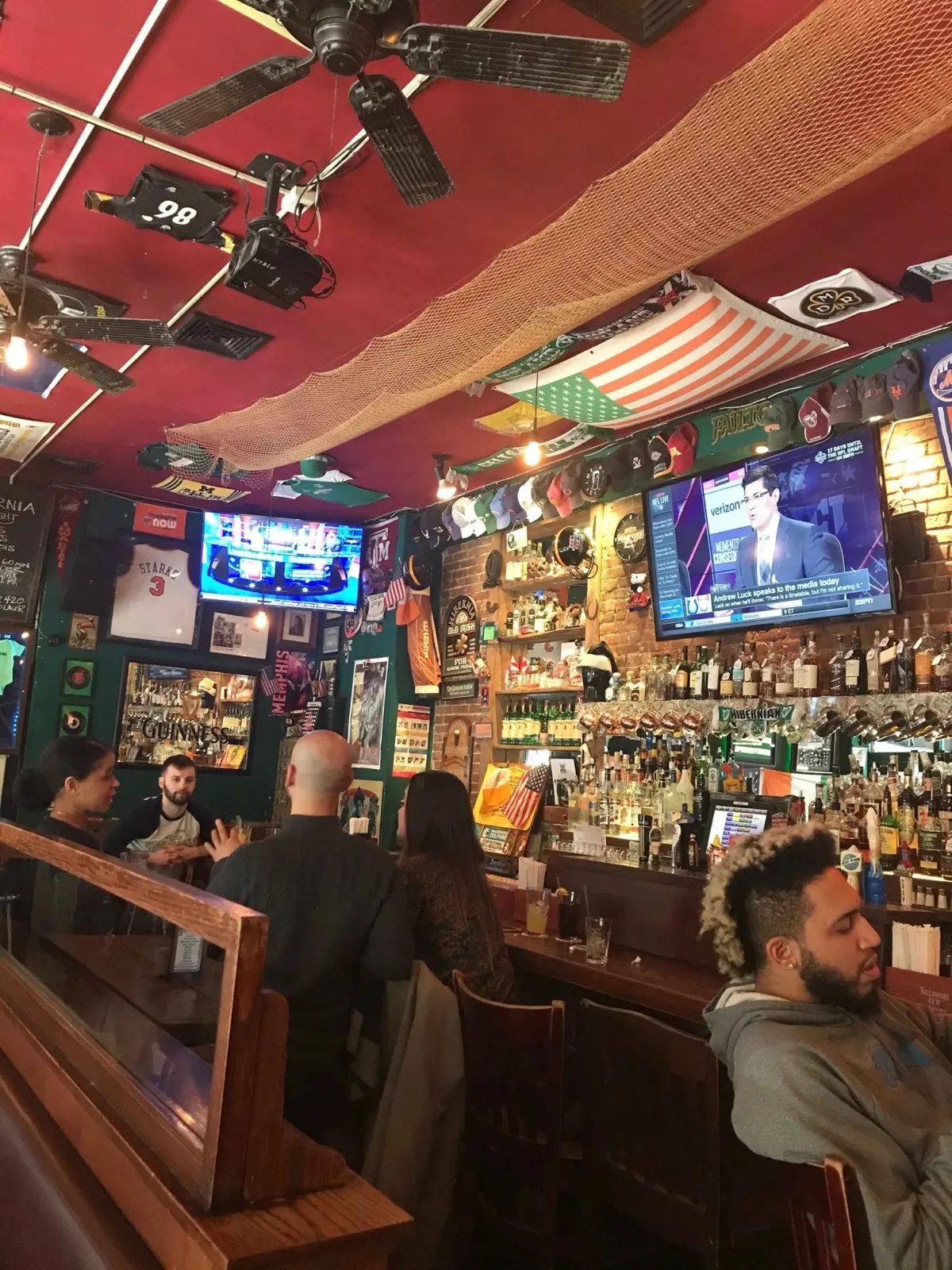
New York has always treated the bar as more than a place to order a drink. In this city, the bar is a test kitchen, a stage, a neighborhood living room, a first date filter, and sometimes a refuge from a loud week. That range is what makes the current Bar NYC scene so interesting. The strongest venues are not simply serving better cocktails or installing better lighting. They are building experiences that feel specific, memorable, and worth repeating in a market where attention is brutally expensive.
For operators, that means every decision matters, from the ice program to the sound bleed between banquettes. For guests, it means the difference between a place that looks sharp online and a place that actually earns a second visit. The trends shaping New York bars right now sit at the intersection of hospitality economics, shifting guest habits, and a clear desire for spaces that feel intentional rather than generic.
The cocktail menu is getting smarter, not just longer
A few years ago, some bars treated the drink list like a manifesto. Twelve signatures turned into twenty, and every cocktail arrived with a paragraph about fermentation, smoke, or obscure regional spirits. There was energy in that period, but also fatigue. Many guests now want ambition without homework.
The strongest cocktail programs in New York have responded by editing. Menus are often shorter than they were before, but each drink is more polished. Bartenders are leaning into clarity of concept. If a martini variation appears on the menu, it usually has a reason to exist beyond novelty. If a clarified milk punch shows up, it is there because the texture and structure improve the drink, not because the technique photographs well.
That shift matters because New Yorkers tend to decide fast. In a packed room at 7:15, nobody wants to spend ten minutes decoding a menu written like a graduate thesis. A concise list signals confidence. It tells the guest that the team has done the sorting already.
There is also more respect for classics than there was during the peak of culinary maximalism. Not respect in the nostalgic sense, but respect in the operational sense. A well-made Manhattan, Negroni, or daiquiri is no longer a fallback option that receives less care than the signatures. In many serious bars, it is the benchmark. If a room cannot execute a cold, balanced martini under pressure, guests notice, even if they never say it aloud.
One of the clearest patterns across Bar NYC menus is the rise of savory and saline profiles. Seaweed tinctures, tomato water, olive brine refinements, sesame, mushroom notes, and delicate umami accents are appearing more often, especially in low-sugar builds. This is partly a reaction against years of jammy, dessert-like cocktails. It is also a reflection of how people eat in New York now. Guests who spend their evenings bouncing between crudo, skewers, and small plates are often less interested in syrup-forward drinks than they were five or six years ago.
At the same time, agave spirits continue to hold their ground, though the conversation has matured. Early mezcal enthusiasm often reduced the category to smoke. Better hiberniabar.com Bar NYC bars now present mezcal and tequila with more nuance, highlighting minerality, herbaceousness, and texture. Guests are increasingly receptive to sotol, raicilla, and cane-based spirits too, especially when bartenders explain them in plain language instead of turning the order into a lecture.
Zero-proof is no longer an afterthought
One of the most meaningful changes in New York bar culture has been the serious treatment of nonalcoholic drinks. A good zero-proof section used to mean one house mocktail and a bottle of sparkling water. That is no longer enough, especially in neighborhoods where groups often include someone drinking less, skipping alcohol for the night, or avoiding it altogether.
A mature nonalcoholic program does not imitate a sugary soft drink and call it craft. It thinks about structure. Bitterness, acidity, dilution, aroma, and mouthfeel still matter. The best zero-proof cocktails in the city feel composed. They are built with the same discipline as alcoholic drinks, often using teas, verjus, nonalcoholic aperitifs, spice tinctures, and house-made components that add tension rather than sweetness.
This trend is not just social, it is financial. Guests who are not drinking alcohol still want to participate, and they are often willing to pay for a well-made beverage if it arrives with the same care as everything else. A twelve to sixteen dollar nonalcoholic cocktail is now common in parts of Manhattan and Brooklyn, provided it delivers a complete experience. Operators who ignore this shift leave money on the table and risk making part of their party feel peripheral.
The same logic applies to low-ABV drinks. Spritzes, bamboo variations, sherry-based cocktails, and vermouth-forward builds have become more relevant, especially on weeknights. People still want to go out, but many are calibrating their intake more carefully than they did in the pre-pandemic rush years. The bars that understand this are not moralizing about moderation. They are simply giving guests better options.
Sustainability is moving from talking point to operating principle
Every bar claims to care about waste. Far fewer have learned how to make sustainability part of service without making it feel performative. In New York, where storage is tight and labor is expensive, the practical side matters as much as the philosophy.
Citrus remains a useful example. Fresh juice is still central to many programs, but thoughtful bars are finding more uses for peels and spent fruit, whether through oleo saccharum, tinctures, marmalades for kitchen crossover, or aroma sprays. Batch techniques have improved as well. When done properly, batching reduces inconsistency and speeds service. It also helps control waste because prep can be tracked with more precision. The trade-off is that batching punishes sloppy systems. If a bar lacks disciplined labeling, refrigeration control, and taste checks, the efficiency gains disappear quickly.
Ice programs are part of this conversation too. Large-format cubes remain popular, but there is less obsession with visual theatrics for their own sake. Instead, bars are asking a more useful question: what shape, density, and melt rate best serve this drink in this room? On a humid August evening with a crowded bar top, performance matters more than Instagram symmetry.
Some operators are also simplifying garnishes. That does not mean drinks look bare. It means garnish is being treated as functional. Expressed oils, a precise herb, a clipped citrus coin, or an edible element that actually contributes flavor have more staying power than towers of decoration. This restraint often reads as luxury because it feels deliberate.
Design is becoming warmer, denser, and more tactile
Bar design in New York tends to swing between extremes. One cycle favors polished minimalism, hard surfaces, and museum-like restraint. Another returns to softness, texture, and intimacy. Right now, the city is firmly in a warmer phase.
That does not mean every new bar looks like a private club, but many share the same instincts. Lower lighting, richer woods, brushed metal instead of chrome, upholstered seating, heavy drapery, vintage mirrors, and layered acoustics are all common. Guests want rooms that flatter them, physically and socially. In practical terms, that means places where skin looks good under the lighting, conversation does not require shouting, and the room feels active without becoming punishing.
Acoustics have become one of the clearest markers of professionalism. Anyone can hire a designer to create a handsome room. Fewer teams invest properly in sound absorption. Yet guests remember noise long after they forget tile choices. A bar that keeps the music lively while allowing people to speak at a normal volume gains a real competitive advantage, especially in New York where many people meet for business-adjacent socializing before the evening turns looser.
The bar itself is also changing shape. The best new designs understand that guests still crave the theater of bartending, but not every room should force all energy toward one polished counter. Some layouts now create multiple zones, a front bar for quick orders and casual traffic, a softer back section for longer stays, and side seating that offers privacy without isolation. That kind of zoning lets venues serve more than one mood at once, which is crucial in a city where a single night might include solo walk-ins, birthday groups, date-night pairs, and after-work regulars.
Bathrooms, coat storage, and circulation paths deserve mention too, because design trends are not just about finishes. New York guests are unforgiving about friction. If a room looks beautiful but creates bottlenecks every time someone gets up from a stool, the glamour fades by the second round. The same goes for a winter setup with no sane place for coats. These details sound mundane, but they shape whether a space feels genuinely hospitable.
The return of personality after the era of copycat cool
For a while, too many bars were built from the same mood board. Exposed brick, amber lighting, vaguely retro glassware, a vinyl shelf, maybe a taxidermy object or two. The look was safe, and that was part of the problem. Safe bars rarely become essential in New York.
The newer wave has more personality. Some are leaning into hyper-local identity, drawing on the architecture or social history of the block instead of importing a generic downtown style. Others are borrowing from old hotel bars, listening lounges, Japanese kissaten, theater lounges, or neighborhood taverns, but doing so with discipline rather than costume. The point is not to appear quirky. The point is to give the room a point of view.
Guests respond to that specificity because New York is saturated with options. If the drinks are good but the room could be transplanted into any other major city without losing meaning, it is harder to stand out. A distinctive physical identity creates memory. Memory drives return business more reliably than hype.
Entertainment is shifting from loud spectacle to curated atmosphere
Entertainment in bars used to be easy to classify. Either it was a music venue, a sports bar, a karaoke spot, or a cocktail bar that mostly left you alone. Those lines have blurred. Many Bar NYC operators now treat entertainment as a layer rather than a category.
The clearest example is music. There has been a move away from generic playlists and toward tighter curation. In some rooms that means vinyl sets or guest selectors. In others it means a carefully programmed soundtrack that evolves over the night instead of blasting at one level from open to close. This sounds subtle, but it changes behavior. A room with thoughtful sonic pacing can move guests from early-evening conversation to late-night energy without anyone quite noticing the shift.
Live performance is also being handled more carefully. Jazz trios, DJs with restraint, singer-pianists, and niche residencies are all working, especially when they suit the room’s scale. What is fading is entertainment that overwhelms the bar’s core identity. If the room is built for close conversation and refined cocktails, a performance style that turns service into crowd control will feel mismatched. The strongest operators know when to entertain and when to simply create atmosphere.
There has also been steady growth in participatory but low-pressure programming. Tastings, spirit-focused evenings, themed menu drops, and collaborations with chefs or local makers tend to perform well because they give regulars a reason to return without forcing a full event-production model. The key is restraint. New Yorkers like discovery, but they can smell manufactured buzz immediately.
A few entertainment formats stand out because they fit the city’s social habits particularly well:
- Early-evening DJ sets that build energy without killing conversation
- Small live jazz or soul ensembles in rooms with real acoustic planning
- Rotating guest bartender nights that attract industry crowds and curious regulars
- Spirit education events with genuine substance, not brand-scripted sales pitches
- Late-night listening sessions that turn the room into a destination after dinner
What ties these together is proportion. They give guests something extra, but they do not hijack the reason people came in the first place.
Food and drink pairings are becoming more fluid
The old hierarchy, kitchen first and bar second, or bar first and kitchen as backup, is less useful than it used to be. In many successful New York venues, the relationship between food and beverage feels more integrated. This is not just about offering better bar snacks. It is about designing menus that acknowledge how people actually order.
A guest who starts with oysters and a martini may shift to skewers and a sherry cobbler, then order a late-night burger with a highball. Bars that understand these rhythms design accordingly. They avoid food that is too fussy for a bar stool, too aromatic for a crowded room, or too slow for the pace of service. They also build cocktail menus that can handle salt, fat, acid, and spice rather than assuming every drink will be consumed in isolation.
This is one reason savory cocktails and cleaner stirred drinks are doing so well. They pair more gracefully with real food. It is also why carbonation remains such a useful tool. Highballs, spritzes, and other sparkling formats cut through richness and support longer stays. In a city where many guests stack multiple venues into one evening, drinks that refresh rather than exhaust have become more valuable.
Hospitality is becoming a differentiator again
For all the attention paid to design and beverage technique, hospitality remains the factor that separates a good bar from a durable one. New York can be a hard city to serve in. Staffing is expensive, guests are demanding, and volume can go from slow to chaotic in fifteen minutes. Under those conditions, polished hospitality is not sentimental, it is operational excellence.
The best bar teams right now are doing several things well at once. They read the room quickly. They know when a guest wants guidance and when a guest wants speed. They offer opinions without showing off. They recover mistakes cleanly. They recognize regulars without making newcomers feel invisible. These skills matter more than ever because social media has flattened aesthetic differences. Many bars now look competent online. Far fewer feel truly cared for in person.
From an ownership perspective, this puts pressure on training. Product knowledge still matters, but knowledge alone does not produce warmth or judgment. Teams need rehearsal around pacing, body language, menu translation, and difficult moments. The bartender who can explain an unfamiliar amaro in one crisp sentence is often more valuable than the bartender who knows its entire production history but cannot read the guest in front of them.
The same applies to reservation management and door policy. New York bars have learned, sometimes painfully, that exclusivity can generate attention but also resentment. A little friction can make a place feel coveted. Too much friction makes people write it off. The art is in creating demand without making guests feel manipulated.
Neighborhood identity matters more than broad appeal
One mistake newer operators make is trying to design a bar for everyone. In New York, that usually means designing a bar for no one in particular. Neighborhood context is too important. A room that thrives in the West Village might fail in Greenpoint. A concept that feels natural near Flatiron office traffic could seem bloodless in the Lower East Side. Rent, foot traffic, and local demographics all matter, but so does social tempo.
The city’s strongest bars understand their hour-by-hour identity. Some neighborhoods need a sharp after-work trade and a softer late-night second act. Others reward a slower build that begins with dinner-adjacent drinking and extends into destination nightlife. In residential areas, regulars may carry the business from Sunday through Thursday, while weekends draw visitors who discovered the room online. Each pattern shapes menu pricing, staffing, music, and even glassware durability.
This is why copying a successful Bar NYC model from another neighborhood often disappoints. Surface details travel easily. Social chemistry does not.
What guests seem to want now
Guest preferences are never uniform, especially in a city this large, but a few desires come up repeatedly. People want quality without stiffness. They want atmosphere without punishment. They want menus that signal intelligence but do not demand a seminar. They want to feel that someone thought carefully about the room, the drinks, the music, and the pacing of the night.
They also want value, though value in New York does not always mean cheap. Many guests will accept premium pricing if the experience feels coherent. A twenty-two dollar cocktail can pass the test in Manhattan if it arrives perfectly chilled, balanced, and suited to a room that earns the tariff. A fifteen dollar drink can feel overpriced if service is careless and the environment lacks conviction.
The bars doing best right now are not chasing every trend. They are editing trends through the lens of identity. They use better ingredients, but they do not hide behind them. They invest in design, but not only in what photographs. They program entertainment, but they do not let it overpower the core experience. Most important, they understand that New York guests are sophisticated but not infinitely patient. The city rewards polish, but it punishes pretense.
Where the next shifts are likely to appear
The next chapter in New York bar culture will probably involve more refinement than reinvention. Expect continued growth in nonalcoholic and low-ABV sophistication, deeper integration between kitchen and bar, and more attention to sensory comfort, especially lighting and sound. Expect menus to stay edited. Expect operators to keep questioning whether every square foot of a room is working hard enough.
A few practical pressures will drive those choices. Ingredient costs are unlikely to become easier. Labor will remain expensive. Guests will continue to split their spending across food, travel, concerts, and niche experiences. In that environment, bars cannot rely on novelty alone. They need repeatable excellence.
The venues most likely to thrive are the ones that make restraint look effortless. They know which details deserve obsession and which are just noise. They recognize that a great bar in New York is never only about the liquid in the glass. It is about timing, proportion, memory, and the subtle feeling that, for the length of a drink or two, there was nowhere else you would rather be.
Hibernia Bar
401 W 50th St
New York, NY 10019
(212) 969-9703
FAQ About Bar NYC
What is there to do in Hell's Kitchen, NYC?
Explore the restaurants and bars along Ninth Avenue, catch a Broadway show nearby, or visit the Intrepid Museum on the Hudson River. Hibernia Bar is at West 50th Street and Ninth Avenue, a convenient stop before or after a show.
What are some bars in New York City that serve good food?
Hibernia Bar in Hell's Kitchen serves wings, burgers, fish and chips, and shepherd's pie. Its kitchen lists a 2 a.m. closing time, which makes it an option for dinner after a show or a game.
How far is Hell's Kitchen from Times Square?
Hell's Kitchen is just west of Times Square. From Broadway and West 45th Street, Hibernia Bar is roughly 0.6 miles away, or about a 12-minute walk depending on crowds.
❧