November 11, 2026
How to Navigate the Busy Bar NYC Landscape
By @eduardociqw779
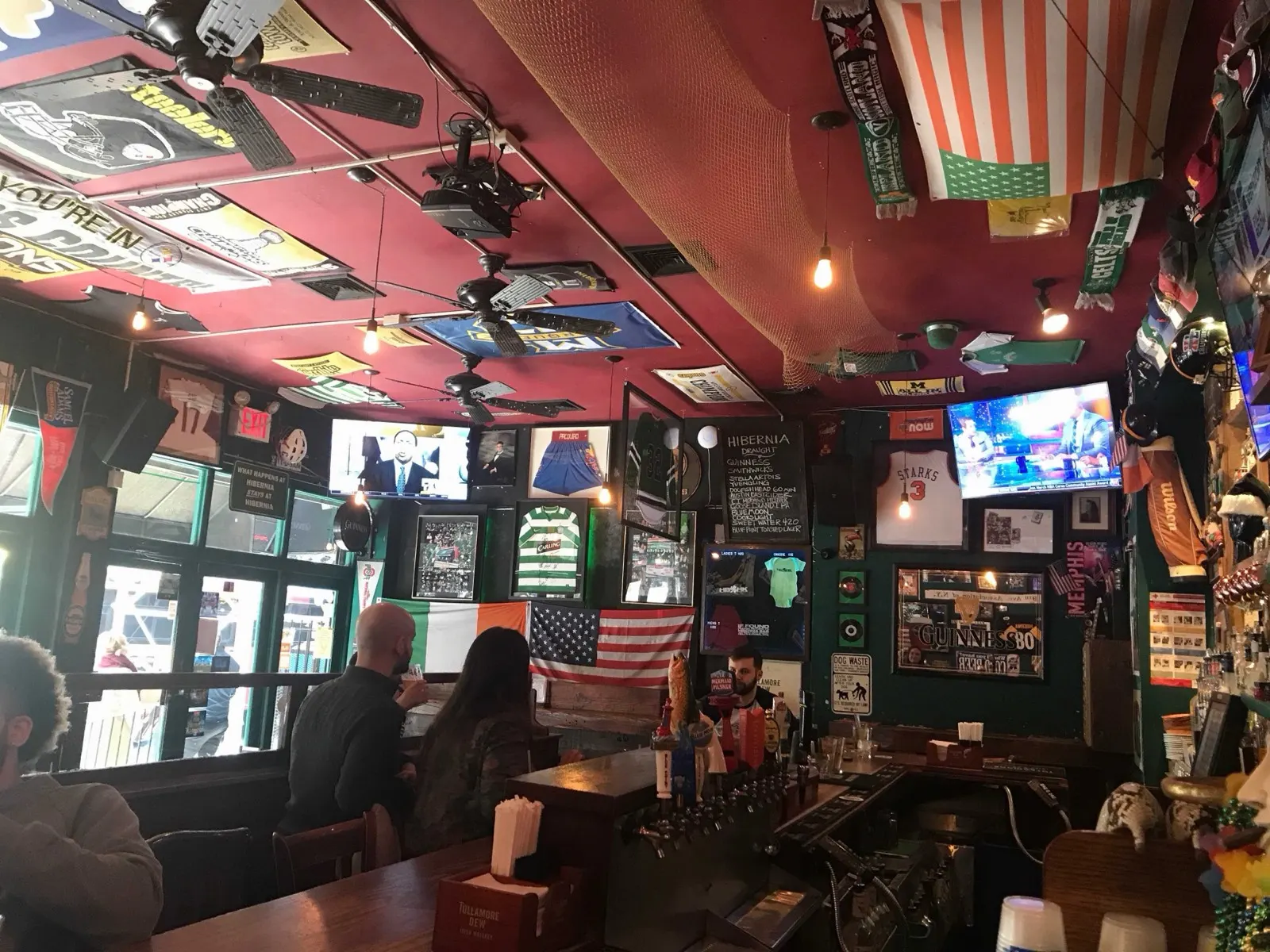
New York does not have a bar scene so much as a bar ecosystem. It shifts by neighborhood, by hour, by weather, by who just got out of dinner service, by whether a concert let out early, by whether the subway is cooperating, and by whether some place went viral on TikTok three days ago. If you have ever stood three people deep at a cramped cocktail bar in the East Village, trying to catch a bartender’s eye while someone behind you keeps opening the door and letting in February air, you already understand the basic truth: a busy bar in NYC is not simply a place to get a drink. It is a small operational theater with its own rules, tempo, and hierarchy.
That can make the whole scene feel intimidating, especially if you are visiting, newly moved to the city, planning a date, or trying to host colleagues without looking unprepared. It can also be rewarding, because once you learn how the city’s bars actually function, nights become easier, cheaper, and much more enjoyable. You spend less time waiting for impossible conditions and more time finding the right room for the mood you want.
The first thing to understand is that "busy" means different things in different bars
A packed sports bar in Midtown behaves nothing like a packed cocktail den in the West Village. At one, the crowd churns quickly, guests order rounds in volume, and bartenders are optimized for speed. At the other, every drink takes longer, seats matter more, and the room may be physically small enough that one large group changes the atmosphere for everyone else.
This matters because people often make the same mistake: they choose a bar by reputation instead of by operating style. That is how you end up frustrated. You go to a famous natural wine bar at 8:30 on a Friday expecting a casual stop, but the place is running more like a miniature restaurant with a wait list and tightly managed seating. Or you walk into a classic dive expecting immediate service, only to discover it is shoulder to shoulder after a Yankees game and cash only.
The phrase Bar NYC gets used broadly online, but in practice it covers radically different experiences. A neighborhood Irish pub in Hell’s Kitchen, a rooftop in Williamsburg, and a no-menu cocktail bar in Nolita all ask different things of you. The trick is not to fight that reality. The trick is to read the room before you commit to it.
Timing does more work than taste
Most people obsess over where to go. Experienced regulars care just as much about when.
If you want a seat at a sought-after cocktail bar, arriving at 5:15 p.m. Versus 7:45 p.m. Can mean the difference between walking straight in and waiting an hour on the sidewalk. The same place that feels elegant early can feel claustrophobic later. In many Manhattan neighborhoods, the pre-dinner window, roughly 5 to 7 p.m., is your best friend. You catch the room before dinner reservations empty into it. Service is more attentive, noise is lower, and bartenders have enough bandwidth to actually talk.
Late night can work too, but only if you know the pattern of the area. In parts of Brooklyn, a bar may be slammed from 8 to 11 and then settle into a more relaxed rhythm after midnight. In the West Village, late night often means the opposite, with lines still active and sidewalks crowded. In Midtown, a Thursday after-work rush can be harsher than a Saturday because office culture drives volume.
Weather also changes demand. The first warm Friday in April will overwhelm every rooftop and backyard setup in the city. Rain can kill walk-in traffic at some places and compress everyone into fewer rooms at others. Around holidays, neighborhoods with strong tourist traffic, such as SoHo and Times Square-adjacent zones, become less predictable.
People new to the city sometimes assume reservations solve everything. They help, but bars in NYC vary widely in how they handle them. Some reserve only a portion of seating. Some reserve tables but not the bar itself. Some use a wait list that moves faster than you expect because people put their names down in multiple places. Others quote long waits to manage expectations and then seat you in twenty minutes. Ask direct questions. “Is this for a table only, or does it include bar seating?” can save you from showing up with the wrong assumption.
Neighborhood judgment beats app scrolling
There is a certain kind of bad night that starts with ten tabs open, a vague plan to “go somewhere fun,” and no neighborhood strategy. In New York, distance is not abstract. A place that looks ten minutes away on a map can become thirty-five once you factor in train changes, crosstown bottlenecks, and the fact that your group is indecisive on the platform.
Choosing the right zone matters more than finding the theoretically perfect bar. If you are meeting people with different schedules, pick an area with options within a five to eight minute walk. That way, if your first choice has a wait, the night does not collapse. The West Village, Lower East Side, East Village, Williamsburg, and parts of Greenpoint all reward this approach because density gives you fallback choices. Some stretches of Midtown do too, though the vibe is more mixed, with polished hotel bars next to loud corporate happy hour spots.
A practical way to think about neighborhoods is by what kind of compromise you are making. The West Village offers classic date-night appeal, but space is tight and popular spots can be punishing at peak times. The Lower East Side gives you more movement and variety, but noise and crowding can rise fast. Williamsburg can deliver better square footage and a broader spread of styles, though getting there and back may shape the whole evening for Manhattan-based groups.
Here is a simple framework I have seen work repeatedly:
- Pick a primary neighborhood, not a single bar.
- Choose one first-choice bar, one backup within walking distance, and one last-resort option that is easier to enter.
- Text the group the exact cross streets, not just the bar name.
- Set a real arrival time, then mentally subtract fifteen minutes from whatever late friend claims.
- If the first place is clearly not happening, move fast rather than negotiating on the sidewalk.
That last point sounds basic, but it changes nights. Groups lose momentum when they linger outside a bar debating whether a forty-minute wait is “actually that bad.” Usually it is. The city rewards decisiveness.
Reading the door before you waste time
The entrance tells you a lot if you know what to look for. A visible host stand usually means the room is being managed more tightly, even if it presents as casual. A cluster of people near the door staring at phones often means they are waiting on a text, not necessarily a line in the traditional sense. A bouncer scanning IDs while also pacing admissions suggests occupancy is the real issue. A room you can see from outside, with obvious open bar stools, is a different situation from one where every seat is occupied and guests are camped for the long haul.
Do not ask, “How long is the wait?” as your first and only question. Ask better questions. “Is that for any seat or just tables?” “Does the bar turn over quickly?” “Would two people be easier than four?” “Is there standing room if we just want one drink?” Staff can often steer you more accurately if you show you understand the variables.
Two people have options that six people do not. That sounds obvious, but groups consistently ignore it. If you are organizing a larger party, you either need a place designed for throughput or you need to lower your expectations about spontaneity. Five or six friends trying to squeeze into a tiny downtown cocktail bar at 9 p.m. On Saturday are not being adventurous. They are volunteering for logistical failure.
There is also etiquette at the door. Be ready with your ID, answer questions clearly, and do not send three people in to negotiate while the rest of the group is still half a block away. Hosts and security notice disorganization immediately. Well-run busy bars are triaging dozens of micro-decisions at once. Groups that appear coherent and realistic tend to get cleaner communication.
At the bar, speed matters, but clarity matters more
The bartenders in busy NYC bars are not rude nearly as often as people claim. More often, they are managing impossible density while reading a wall of small signals. If you know what you want, have your payment ready, and order in one clean sentence, you become easier to serve. Easy guests get served faster.
This is not about acting submissive or trying to perform insider status. It is about respecting workflow. If the bartender reaches you and your group starts a side conference about orange wine versus skin-contact wine, your turn is effectively gone. If you need a minute, say so and let them move on.
Good ordering has a rhythm. Make eye contact when possible. Wait for acknowledgment. State the full order once, including quantity. If there are modifications, keep them concise and reasonable. If you are opening a tab, have the card in hand before the bartender asks. If you are paying cash, know that exact change is not required but organized money helps.
One thing people underestimate is physical positioning. At a crowded bar, where you stand affects whether you are seen. Hovering behind seated guests does not work. Neither does drifting at the service well where bartenders are building drinks for servers. Aim for an open section of the bar rail where your presence is visible without being obstructive. If someone is leaving, claim the space cleanly. In New York, hesitation is often read as disinterest.
Tipping still shapes service, though perhaps less magically than folklore suggests. A strong first tip will not turn a slammed bartender into your personal concierge, but it signals that dealing with you is worthwhile. In repeat-order situations, it helps. In one-and-done situations, it is simply standard professionalism on your side of the bar.
The real economics of a night out
Bar NYC pricing catches people off guard, especially if they are not current on post-2020 costs. A basic beer can still be modest in some dives, but many cocktails in Manhattan and trendy Brooklyn neighborhoods now sit comfortably in the high teens to low twenties before tip. Wine pours vary wildly in value. Some happy hours remain genuinely useful, especially for beer, spritzes, or simple mixed drinks, while others save you only a dollar or two and mainly exist to fill the room early.
This does not mean the city is uniformly overpriced. It means value is contextual. A $19 drink in a Bar NYC serious cocktail bar may be fair if the drink is balanced, the spirit quality is strong, and the service environment is polished. A $21 mediocre margarita in a loud branded room with indifferent service feels expensive because it is. Learn to distinguish price from value.
Food can be a strategic expense. Ordering a plate of something shareable often buys you time and stabilizes the night. It can also justify staying in a desirable seat longer without looking like you are camping. In some bars, especially wine bars and more restaurant-adjacent spaces, food meaningfully affects how staff perceive your table. Not in a cynical way, just in terms of how the business works.
If budget matters, one of the smartest moves is to start at a stronger but quieter place for one or two drinks, then shift to a simpler bar for the long stretch. People often do the reverse and regret it. They burn money at the loudest, least comfortable place of the night because that is where they ended up during peak demand.
Dates, work meetups, and group hangs all need different bars
One reason people struggle with busy bars is that they use a venue for the wrong social purpose. A bar that is excellent for a quick catch-up with one friend may be awful for a first date. A place that impresses visiting clients may feel sterile for a birthday.
For dates, acoustics matter more than menu depth. If you have to shout, chemistry gets flattened. A room with moderate energy, decent lighting, and enough turnover to avoid a long wait tends to outperform the “hottest” choice. Some of the best date bars in New York are not the most famous ones. They are the places that know how to make two people feel settled within five minutes.
For work meetups, reliability beats coolness. You want competent service, enough standing room or seating flexibility, and a menu broad enough to satisfy people who drink differently. Hotel bars often succeed here because they are built to absorb varied guests and maintain standards under pressure.
For group hangs, shared expectations are everything. If half the group wants craft cocktails and the other half wants cheap beer and movement, choose a place with mixed strengths or plan to migrate. Trying to force one bar to be all things is how people get Bar NYC hiberniabar.com annoyed.
The trade-offs are easier to manage if you ask a basic planning question early: what is the point of this night? Is it to talk, impress, celebrate, flirt, watch a game, or simply not stand outside too long? That answer should guide the venue more than internet rankings.
When lines are worth it, and when they are not
A line outside a bar in NYC can mean prestige, tiny capacity, smart demand management, social proof, or pure chaos. Sometimes all five at once.
A line can be worth it if the place offers something hard to replicate, the wait is moving consistently, and the experience inside lasts longer than the wait outside. A destination cocktail bar with a truly distinct program may justify twenty to thirty minutes for some people. A generic rooftop with weak drinks and a photo-driven crowd usually does not.
The best way to assess a line is to observe behavior, not just length. Are people entering every few minutes, or is nothing happening? Are there separate flows for reservations and walk-ins? Is the host giving specific guidance or vague promises? A competent line feels controlled. A bad one feels like a holding pen.
There is a psychological trap here. Once people have waited fifteen minutes, they start valuing the destination more because they have invested. That does not mean the bar became better. It just means sunk cost has entered the chat. If a better option sits seven minutes away, leave.
How regulars move differently
Regulars are not always obvious. They are often the people who know how to fit the room without demanding attention. They arrive at off-peak times. They know which seats are functional and which look good but never get proper service. They understand whether the bar is a one-drink stop or a place to settle for the evening. They talk to staff like adults, not like fans or antagonists.
You do not need to become a regular to borrow their habits. A little pattern recognition goes a long way. Notice whether the bar favors reservations, stools, standing clusters, or table turns. Notice whether the menu is broad or if most people are drinking a handful of house specialties. Notice whether the room spikes before dinner, after dinner, or after midnight.
If you return to a place, continuity matters. Staff remember guests who are consistent, polite, and easy to handle. That can translate into warmer service, occasional flexibility, or simply a smoother evening. In a city this busy, familiarity is currency.
Common mistakes that make busy bars feel worse than they are
Some problems are structural, but many are self-inflicted. These are the errors I see most often:
- Arriving hungry, impatient, and without a backup plan.
- Bringing a group that is too large for the kind of bar you chose.
- Treating every popular bar like a democratic public square rather than a business with capacity limits.
- Mistaking social media visibility for quality or fit.
- Staying in a bad room too long because leaving feels like admitting defeat.
The hunger point is worth stressing. New York bar crowds become much easier to tolerate after a snack. A plate of fries, a skewer, a handful of oysters, even a quick slice before meeting people, all of it improves judgment. Hungry groups get reactive. They over-order, over-wait, and over-argue about where to go next.
Another mistake is assuming every bar should accommodate customization. In a high-volume environment, the menu often reflects what the staff can execute well at speed. Asking for complex off-menu drinks in a slammed room is a good way to make yourself memorable for the wrong reasons. There are bars where that conversation is welcome. You can usually tell by the pace. If the bartenders are in full production mode, save the improvisation for another night.
Making the city work for you
The most satisfying nights in New York usually come from a blend of planning and flexibility. You know the neighborhood, you respect the timing, and you stay loose enough to pivot when reality changes. That is the whole game.
If you are looking for a single rule, here it is: choose conditions, not fantasy. Pick bars that match your group size, your budget, your tolerance for noise, and your actual goal for the night. If you want one excellent martini in a controlled room, act accordingly. If you want a loose, social evening where plans evolve, choose an area with density and multiple good-enough options. If you want to experience a famous Bar NYC destination, go early or go late, but do not wander in at peak hour expecting the city to rearrange itself for your schedule.
New York rewards people who pay attention. A crowded room is not necessarily a bad one. A quiet room is not necessarily a dead one. The skill lies in understanding what the room is trying to be, then deciding quickly whether that aligns with what you want. Once you develop that instinct, the city opens up. The waits shorten, the choices get sharper, and the night starts feeling less like a test and more like what it should be, a pleasure.
Hibernia Bar
401 W 50th St
New York, NY 10019
(212) 969-9703
FAQ About Bar NYC
What is there to do in Hell's Kitchen, NYC?
Explore the restaurants and bars along Ninth Avenue, catch a Broadway show nearby, or visit the Intrepid Museum on the Hudson River. Hibernia Bar is at West 50th Street and Ninth Avenue, a convenient stop before or after a show.
What are some bars in New York City that serve good food?
Hibernia Bar in Hell's Kitchen serves wings, burgers, fish and chips, and shepherd's pie. Its kitchen lists a 2 a.m. closing time, which makes it an option for dinner after a show or a game.
How far is Hell's Kitchen from Times Square?
Hell's Kitchen is just west of Times Square. From Broadway and West 45th Street, Hibernia Bar is roughly 0.6 miles away, or about a 12-minute walk depending on crowds.
❧